Protein Powders Explained: Whey, Plant Proteins, Amino Acid Scores and Why Protein Spiking Is the Test That Matters
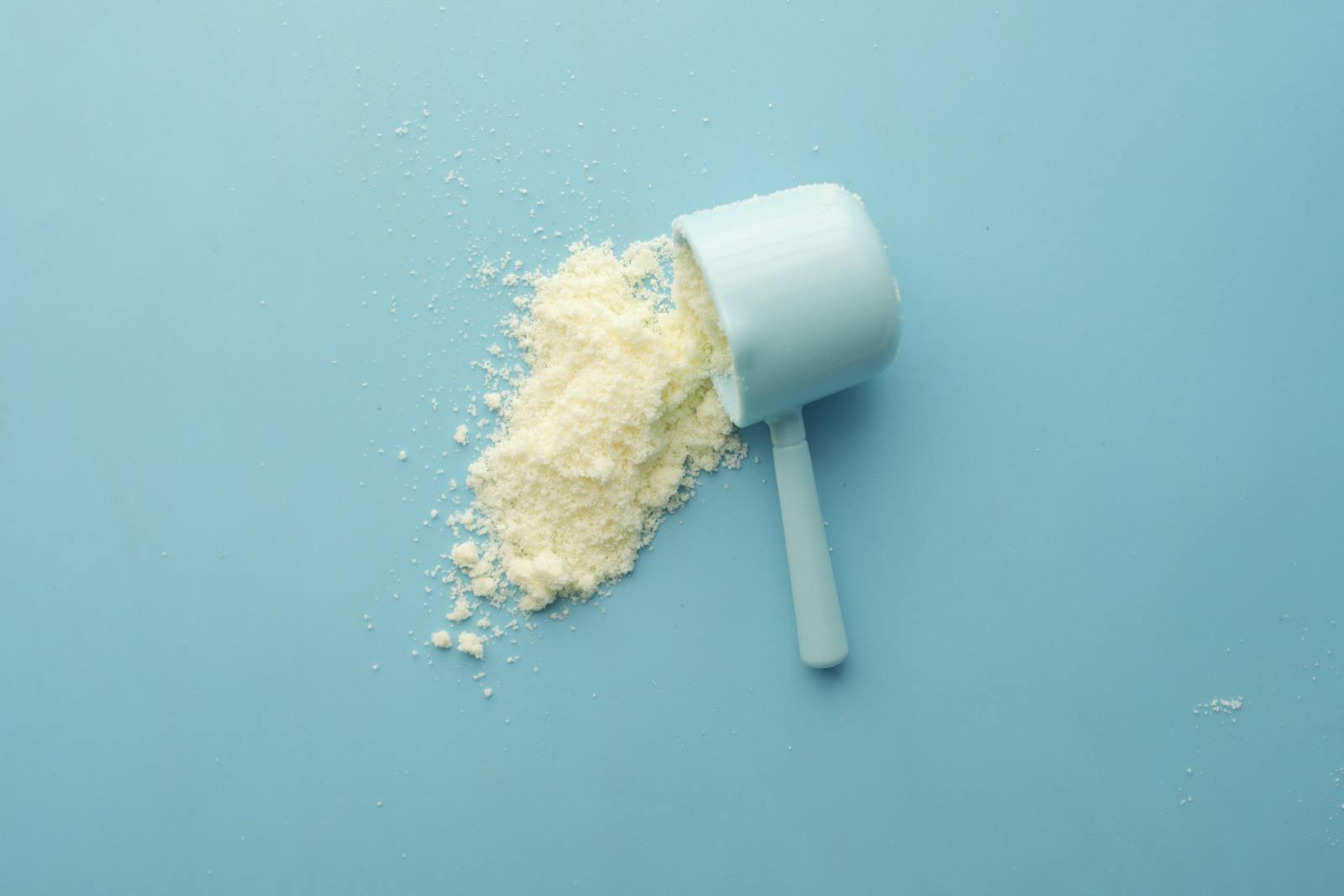
Protein powder is the single largest product in sports nutrition and one of the easiest to get wrong. Two tubs can both say “25 g protein per serving”, both pass the standard laboratory test, and still deliver very different amounts of usable protein. This article explains what whey, casein and plant proteins actually are, how protein quality is scored, why the standard nitrogen test can be fooled by cheap amino acids, and which specifications a brand owner should write into a protein powder brief before the first batch is blended.
Quick answer: A protein powder’s label value is usually calculated from total nitrogen, not from protein directly, so a product can hit its number with cheap free amino acids such as glycine or taurine that add nitrogen but little nutritional value. This practice, known as protein spiking or amino spiking, is invisible to the standard Kjeldahl test and is only revealed by an amino acid profile. In Malaysia, a plain protein powder is generally regulated as a food under the Food Act 1983 and Food Regulations 1985, while products positioned as health supplements may fall under the National Pharmaceutical Regulatory Agency; classification should be confirmed before labels are designed. Whey, casein and soy score at the top of the quality scales, pea sits below them and rice protein is limited by lysine unless blended. A brand owner should ask for protein by amino acid analysis, not only by nitrogen, on every batch.
Key takeaways
- Whey concentrate, whey isolate, casein, soy, pea and rice proteins differ in protein content, amino acid balance, lactose, allergen status and cost. The raw material grade matters as much as the type.
- Protein quality is scored by PDCAAS (Protein Digestibility Corrected Amino Acid Score) and, since the FAO’s 2013 recommendation, by DIAAS (Digestible Indispensable Amino Acid Score). Whey, casein and soy score highest; rice and most single plant proteins score lowest.
- Laboratory protein is normally total nitrogen multiplied by 6.25. Free amino acids, creatine and taurine all carry nitrogen, so they inflate the result without adding real protein.
- The defence against protein spiking is an amino acid profile that reports bound protein separately from free amino acids, written into the specification as a release test.
- Plant proteins carry a higher heavy-metal risk from soil, so lead and cadmium limits belong on the raw material specification, not only on the finished product.
- “Source of protein” and “high protein” are regulated nutrient content claims with defined thresholds; they are not free marketing phrases.
Who this is for: founders and brand managers planning a whey or plant protein powder, buyers comparing manufacturer proposals, and marketers deciding what the tub may say. It explains the ingredient science, the quality scores and the testing logic; it is not dietary advice and does not replace a formal regulatory review for the markets where the product will be sold.
What are the main types of protein powder, and how do they differ?
Protein powders are concentrated proteins separated from milk, soy, peas, rice or other crops, and the type determines protein content, amino acid balance, taste and price. Whey is the liquid left when milk is curdled during cheese making. Whey protein concentrate (WPC) is produced by filtering that liquid and typically contains between 34% and 80% protein by weight, with the balance made up of lactose, fat and minerals; the 80% grade is the workhorse of the category. Whey protein isolate (WPI) is filtered further to 90% protein or more, which strips out most of the lactose and fat and makes it suitable for lactose-sensitive users at a higher cost. Hydrolysed whey has been partly broken down into shorter peptides for faster absorption and a bitter taste that must be masked.
Casein is the other milk protein, the curd rather than the whey. It forms a gel in the stomach and releases amino acids slowly, which is why it is marketed for use before sleep. Soy protein isolate is the most complete plant protein and the most established, with a long history in the food industry and a well-known allergen label. Pea protein has grown fastest in the past decade because it is not a major allergen in most markets, but it is lower in the sulphur amino acids methionine and cysteine and has an earthy flavour that needs work. Rice protein is low in lysine and is almost always blended with pea to balance the profile. Hemp, pumpkin seed and other niche proteins are usually used for positioning rather than nutrition, since most of them have lower protein content and incomplete amino acid profiles.
How is protein quality measured?
Protein quality is measured by comparing a protein’s indispensable amino acid content with a human reference pattern and correcting for how well it is digested. The older score, PDCAAS, compares the limiting amino acid against the reference pattern and multiplies by faecal digestibility, then truncates the result at 1.0. In 2013 the Food and Agriculture Organization of the United Nations recommended a replacement, DIAAS, in its report on dietary protein quality evaluation in human nutrition, which measures digestibility of each amino acid at the end of the small intestine and is not truncated, so proteins that exceed the reference pattern are credited for it.
Published values vary with the reference pattern and the test method, so the figures below should be read as rankings rather than fixed constants. Whey protein isolate, casein and egg generally score at or above 1.0 on both scales. Soy protein isolate scores around 0.9 to 1.0. Pea protein is reported in a band from roughly 0.6 to 0.9 depending on the grade and the study, limited by methionine plus cysteine. Rice protein scores around 0.4 to 0.5, limited by lysine. A pea and rice blend in the right ratio can approach the soy score, which is why most serious plant protein powders are blends rather than single sources. In the United States, the Food and Drug Administration still uses PDCAAS to calculate the protein percentage of daily value on a label, under 21 CFR 101.9, so DIAAS remains a formulation tool rather than a labelling rule in most markets.
| Protein source | Typical protein content | Quality score (PDCAAS / DIAAS, approximate) | Limiting amino acid | Lactose and allergen notes | Best fit |
|---|---|---|---|---|---|
| Whey protein concentrate (WPC 80) | 78% to 82% | 1.0 / about 1.0 or above | None at practical doses | Milk allergen; 4% to 8% lactose | Mainstream whey products, best cost per gram of protein |
| Whey protein isolate (WPI) | 90% or more | 1.0 / about 1.0 to 1.1 | None at practical doses | Milk allergen; lactose under 1% | Premium, low-lactose and low-carbohydrate positioning |
| Micellar casein | 80% to 90% | 1.0 / about 1.0 or above | None at practical doses | Milk allergen; low lactose | Slow-release and night-time products, thicker texture |
| Soy protein isolate | 88% to 92% | 0.9 to 1.0 / about 0.9 | Methionine plus cysteine (marginal) | Soy allergen; lactose free | Established plant option, meal replacements, lower cost |
| Pea protein isolate | 78% to 85% | 0.75 to 0.9 / about 0.6 to 0.8 | Methionine plus cysteine | Not a major allergen in most markets; lactose free | Vegan and allergen-conscious products, usually blended |
| Rice protein | 78% to 82% | About 0.4 to 0.5 / about 0.4 | Lysine | Not a major allergen; lactose free; heavy-metal screening needed | Blending partner for pea, not a stand-alone protein |
Protein contents are typical commercial grades on an as-is basis; quality scores are approximate ranges drawn from published studies and vary with the reference pattern used. Always confirm against the supplier’s specification and certificate of analysis.
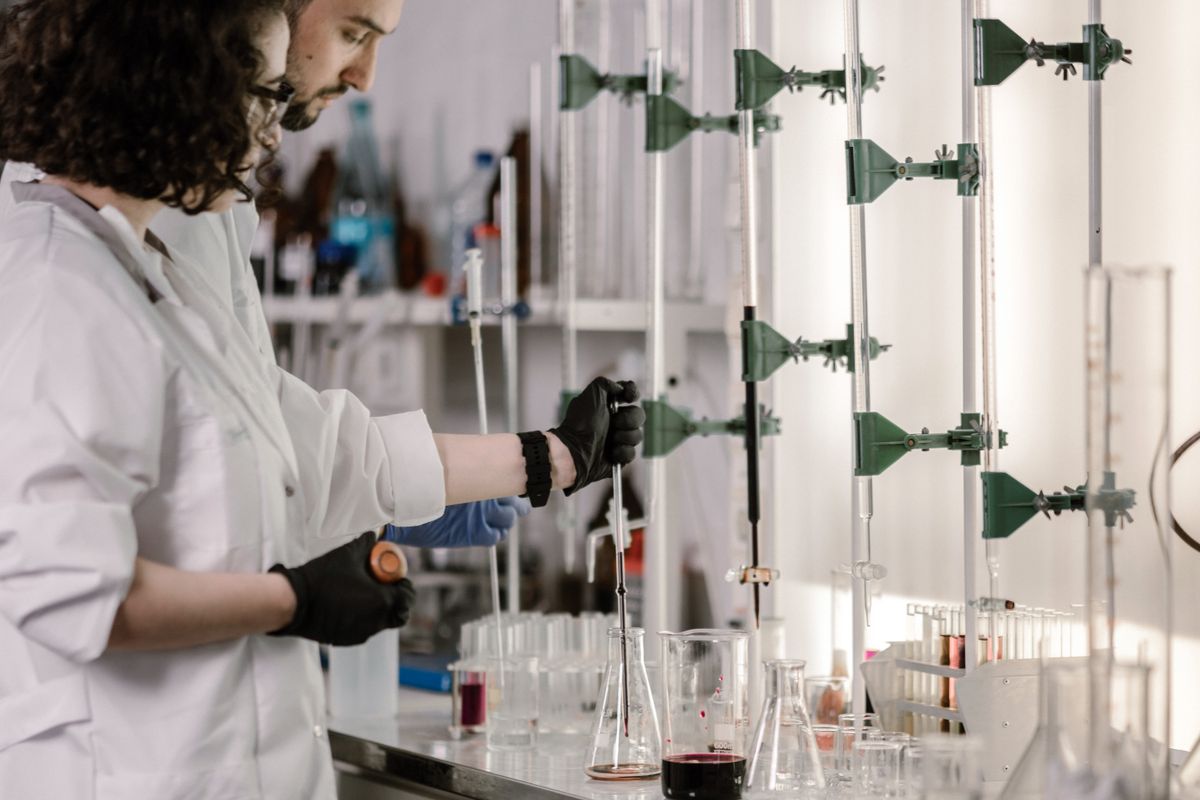
What is protein spiking, and why does the standard test miss it?
Protein spiking is the addition of cheap nitrogen-containing ingredients, usually free amino acids such as glycine, taurine, arginine or glutamine, or creatine, so that a product passes a nitrogen-based protein test at a higher value than its real protein content. The reason it works lies in the test itself. The Kjeldahl method, and its faster combustion equivalent, the Dumas method, measure total nitrogen in a sample and multiply it by a conversion factor, most often 6.25, on the assumption that the nitrogen all comes from protein. The method has been the basis of protein labelling for over a century and is written into food law; the United States Food and Drug Administration’s labelling rule at 21 CFR 101.9 defines protein content for the Nutrition Facts panel as nitrogen multiplied by 6.25 unless a more specific factor is justified.
The assumption fails as soon as nitrogen arrives from somewhere else. Glycine is around 19% nitrogen by weight, so a few grams added to a serving raise the nitrogen reading as if several grams of protein had been added, at a fraction of the cost of whey. Taurine and creatine are both nitrogen-rich and are legitimate sports nutrition ingredients in their own right, which gives a spiked product a plausible cover story: the label lists them honestly and the protein figure quietly counts them as protein. Some manufacturers also include the nitrogen from added glutamine and from the amino acids in flavour systems. None of this is detectable by the nitrogen test, because the test is doing exactly what it was designed to do.
The detection method is an amino acid profile, typically by high-performance liquid chromatography (HPLC), which measures each amino acid individually. Run on a hydrolysed sample it reports the total of each amino acid, bound and free; run on an unhydrolysed sample it reports only the free amino acids. The difference is the protein-bound fraction, and from that the laboratory can calculate protein by amino acid analysis. A properly made whey product shows a profile close to the published whey pattern with very little free amino acid. A spiked product shows an unusual spike of one or two amino acids, or a large free fraction, and a calculated protein value well below the nitrogen figure. The test costs more than Kjeldahl and takes longer, which is why it belongs in the specification as a release test rather than as an occasional check.
How are protein powders manufactured, and what can go wrong?
Most protein powders are dry blends, so the manufacturing risks are blend uniformity, moisture, allergen control and flavour stability rather than the emulsion and preservation problems of a liquid product. The protein raw material arrives as a powder, usually in 20 kg or 25 kg bags, and is blended with flavour, sweetener, a thickener such as xanthan or guar gum, sometimes lecithin to help the powder disperse, and any added vitamins, minerals, enzymes or probiotics. The blend is made in a ribbon or V-type blender, discharged, and filled into tubs or sachets with a scoop. The sequence sounds simple; the details decide whether every scoop matches the label.
Blend uniformity is the first control. Minor ingredients, especially sweeteners and vitamins, make up a small fraction of the batch and must be pre-blended into part of the protein before the main blend, or some tubs will taste bitter and others bland. A blend uniformity study, sampling from several points in the blender and testing a marker ingredient, is how a factory proves its blend time. Moisture is the second. Protein powders are hygroscopic; a powder that picks up moisture cakes, develops off-flavours and, in the worst case, supports microbial growth. The factory controls room humidity, keeps bags sealed until use, and specifies a foil induction seal on the tub. Allergen control is the third. Milk and soy are two of the most common allergens, and a factory running whey, soy and pea on the same line needs a validated cleaning procedure and an allergen cross-contact assessment, the same discipline described in the article on cross-contamination and cleaning validation.
Heavy metals deserve particular attention in plant proteins. Rice, pea and hemp take up lead, cadmium and arsenic from soil to a greater degree than milk proteins, and several published surveys of plant protein powders have reported higher average levels than whey products. The sensible control is a heavy-metal specification on the raw material, with a certificate of analysis for each lot, and a confirmatory test on the finished batch. The logic and the typical limits are set out in the article on heavy metals and microbial limits in cosmetics and supplements. Because these controls sit in the factory’s quality system rather than on the formula sheet, it is worth asking how a manufacturer’s supplement and nutrition manufacturing operation handles raw material qualification, blend uniformity and release testing before comparing prices per kilogram.

What may the label say about protein?
Protein claims are regulated nutrient content claims, with numerical thresholds, in most markets including Malaysia. The international reference is the Codex Alimentarius Guidelines for Use of Nutrition and Health Claims (CXG 23-1997), which define a “source” claim for protein as at least 10% of the nutrient reference value per 100 g of a solid food and a “high” claim as twice that. With the Codex reference value of 50 g, that translates to about 5 g per 100 g for “source of protein” and 10 g per 100 g for “high protein”, and most national rules follow the same structure. In Malaysia the national conditions are set in the Food Regulations 1985, administered by the Ministry of Health’s Food Safety and Quality Division, and the exact schedule entry should be checked against the current consolidated regulations before artwork is approved.
A protein powder clears the “high protein” threshold easily; the real labelling questions are elsewhere. The declared protein per serving must hold across the shelf life and across batches, and it is the figure a regulator or a competitor will test. “Complete protein” implies all indispensable amino acids in adequate amounts and is not a safe claim for a single plant source. Function claims such as “supports muscle growth” are permitted in some markets with specific conditions, often tied to a minimum protein contribution per serving, and prohibited or restricted in others; the general rules are covered in the article on what health and beauty brands can legally say. Halal status is a label matter too. Whey is a by-product of cheese making, and whether the cheese was made with animal or microbial rennet decides whether the whey can be certified; Malaysia’s certification is administered by the Department of Islamic Development Malaysia, JAKIM, and a brand that intends to carry the logo should confirm that the manufacturer’s halal supplement production covers the specific whey grade and flavour system, not only the factory in general.
What should a brand owner write into a protein powder brief?
A protein powder brief should specify the protein source and grade, the protein per serving by amino acid analysis, the free amino acid limit, the leucine content, the heavy-metal limits and the allergen status, because those are the lines that separate an honest product from a spiked one. First, name the raw material by type and grade, for example whey protein concentrate 80% from a named origin, rather than “whey protein”, and ask for the supplier’s specification and a typical certificate of analysis. Second, set the protein per serving as a minimum at the end of shelf life, tested by amino acid profile, with nitrogen used only as a quick in-process check. Third, cap free amino acids and state that creatine, taurine and glutamine, if used, are declared separately and excluded from the protein figure. Fourth, specify leucine per serving; the research on muscle protein synthesis commonly cites a range of roughly 2 to 3 g of leucine per serving as the practical threshold, and a 25 g serving of good whey delivers it while many plant blends do not without adjustment.
The remaining lines are practical. Set heavy-metal limits on the raw material and the finished product, with a particular eye on cadmium and lead in plant proteins. State the allergens present and the allergens the line must be free of. Define moisture, bulk density and scoop weight, because the scoop is the dosing device and a scoop that delivers 28 g in one lot and 33 g in the next changes both the label accuracy and the cost per serving. If the product targets athletes, decide early whether it will be tested under a banned-substance programme such as Informed Sport, because that affects which factory can make it. Finally, agree the flavour and mixability targets with sample rounds, since bitterness in hydrolysates and earthy notes in pea are solved by formulation work, not by the printed claim. The broader planning sequence for a first supplement product is covered in the guides on starting a supplement brand and choosing a supplement dosage form.
Frequently asked questions
Is whey protein isolate worth the extra cost over concentrate?
It depends on the positioning. Isolate removes most of the lactose and fat, which matters for lactose-sensitive users and low-carbohydrate claims, but the amino acid profile and quality score of a good 80% concentrate are essentially the same per gram of protein. For a mainstream product the concentrate gives a lower cost per gram of protein; for a premium or sensitive-stomach product the isolate justifies its price. Many brands use a blend to balance cost and claims.
Are plant proteins as good as whey?
Not as single sources, but a well-designed blend comes close. Soy is the one plant protein that scores near whey on its own. Pea is limited by methionine plus cysteine and rice by lysine, so a pea and rice blend in the right ratio covers each other’s gap and can approach the soy score. Plant blends generally need a slightly larger serving to deliver the same leucine as whey, and they need tighter heavy-metal screening of the raw material.
How can a brand owner check whether a product has been protein spiked?
Ask the manufacturer for an amino acid profile on the batch, run on both hydrolysed and unhydrolysed samples, with protein calculated from the bound amino acids. Compare the profile with the published pattern for the declared protein source. A large free amino acid fraction, an unusual excess of glycine, taurine or arginine, or a calculated protein value well below the nitrogen figure are the signs. The nitrogen test alone cannot answer the question.
Why do some protein powders clump or foam?
Clumping is usually moisture pick-up or a protein that has not been instantised; lecithin coating and controlled particle size help the powder wet and disperse. Foaming is a property of whey proteins, which are good foaming agents, and is managed with small amounts of anti-foaming agents or by adjusting the protein grade. Both are formulation and process issues that should be settled in sample rounds before the first production batch.
Does the 6.25 nitrogen factor apply to every protein?
No. It is a general average. Milk proteins contain less nitrogen per gram, so a factor of 6.38 is often used for dairy; soy is commonly assigned 5.71 and wheat 5.70. Regulations usually allow the general factor unless a specific one is justified. The practical point is that the factor only converts nitrogen into protein; it cannot tell where the nitrogen came from.
Is a protein powder a food or a supplement in Malaysia?
A plain protein powder with flavour and sweetener is generally regulated as a food under the Food Act 1983 and Food Regulations 1985. Products presented as health supplements, particularly with added vitamins or herbal ingredients at supplement doses, may instead require notification with the National Pharmaceutical Regulatory Agency. The classification affects labelling, claims and the approval route, so it should be confirmed with the manufacturer’s regulatory team before the pack is designed.
Sources and further reading
- Food and Agriculture Organization of the United Nations, Dietary protein quality evaluation in human nutrition, FAO Food and Nutrition Paper 92, 2013 (the report that introduced DIAAS).
- United States Food and Drug Administration, 21 CFR 101.9 Nutrition labeling of food, paragraph (c)(7) on protein calculation and PDCAAS.
- Codex Alimentarius Commission, Guidelines for Use of Nutrition and Health Claims, CXG 23-1997.
- Ministry of Health Malaysia, Food Safety and Quality Division, Food Act 1983 and Food Regulations 1985.
- Department of Islamic Development Malaysia (JAKIM), Malaysia halal certification portal.
Limitations: protein content ranges and quality scores are typical published values and vary by supplier grade, test method and reference pattern; they are not specifications. Regulatory thresholds and classifications are summarised as publicly documented at the time of writing and should be confirmed against the current consolidated regulations for each market. The article does not give dietary advice.
Creaton Poh is the pen name of Poh Tze Kheng, founder of ORIZI Group — one of Malaysia's most comprehensive one-stop OEM, ODM, private label and contract manufacturing groups, spanning skincare, cosmetics, personal care, perfume and fragrance, supplements, functional food and nutrition, pet care, home care and medical devices. Across six specialised companies and three manufacturing divisions, the Group brings together 20+ years of industry experience, 5,000+ formulations, and internationally recognised quality, manufacturing and regulatory standards. These articles are written to educate, not to promote.
Written by Creaton Poh
Industry Researcher • Author • Vlogger • Manufacturing Strategist
Turning ideas into products. Turning experience into knowledge.
Connect with Poh Tze Kheng on LinkedIn.


Comments
Post a Comment