Marketing Claims for Health and Beauty Products: What Brands Can Legally Say
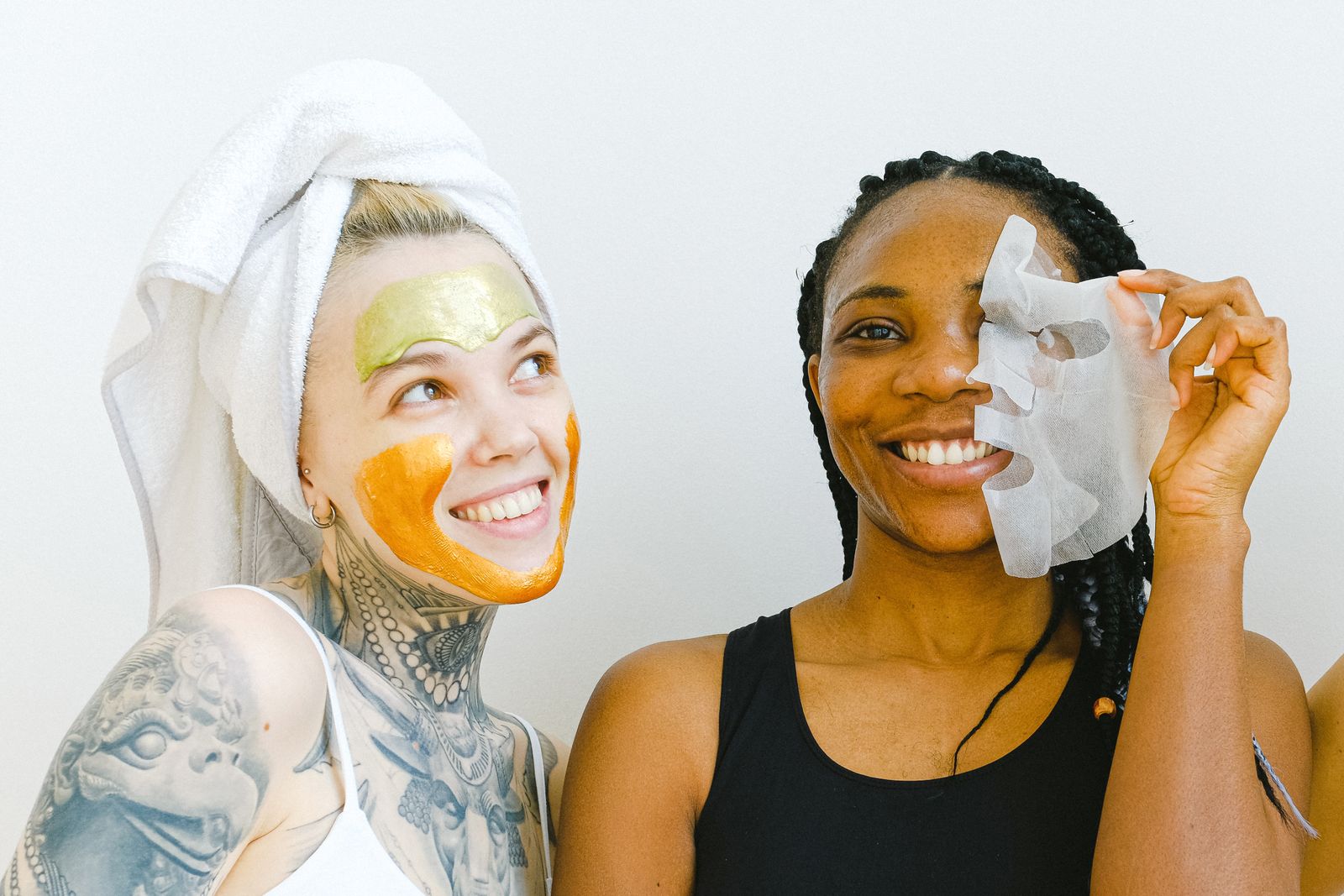
Few things sink a new health or beauty brand faster than a well-designed product wrapped in a claim it is not allowed to make. A moisturiser that promises to "cure eczema," a supplement that says it "treats diabetes," a serum that "guarantees" wrinkles disappear in seven days — each of these sentences can turn a compliant product into an illegal one, regardless of how good the formula is.
Marketing claims are where product development, regulation, and commercial ambition collide. Creaton Poh examines what health, beauty, and supplement brands can legally say about their products, where the boundaries sit, and how a claim is properly substantiated — with particular reference to the Malaysian regulatory framework, alongside the principles that apply in most major markets.
What is a product marketing claim?
A product marketing claim is any statement — in words, images, or implication — that tells a consumer what a product is, does, or contains. Claims appear on packaging, labels, websites, social media, influencer captions, and advertisements. Regulators treat all of these as claims, not just the text printed on the box. A before-and-after photo, a testimonial, or even a product name can carry an implied claim.
Broadly, claims fall into a few categories: composition ("contains vitamin C," "paraben-free"), performance ("hydrates for 24 hours," "reduces the appearance of fine lines"), sensory ("lightweight, non-greasy texture"), and health or therapeutic ("relieves joint pain," "lowers cholesterol"). The last category is the one that most often gets brands into trouble, because it can reclassify a product entirely — from a cosmetic or food supplement into a regulated medicine.
Why does the product's legal category decide what you can claim?
The single most important rule is that the claim must match the product's legal classification, not the brand's marketing goals. In most jurisdictions, a product is categorised by what it is intended to do, and that intended purpose is inferred largely from the claims made about it. Say the wrong thing and the product is legally reclassified.
In Malaysia, the National Pharmaceutical Regulatory Agency (NPRA) oversees cosmetics, health supplements, traditional products, and pharmaceuticals under the Control of Drugs and Cosmetics Regulations 1984. A cosmetic is defined, following the ASEAN Cosmetic Directive, as a substance intended to be applied to the external parts of the body for cleaning, perfuming, changing appearance, correcting body odours, or keeping them in good condition. Crucially, a cosmetic is not intended to treat or prevent disease. The moment a skincare product claims to treat a medical condition, it is — by definition — no longer a cosmetic but an unregistered medicine, which is a serious offence.
Cosmetics: appearance, not treatment
Cosmetics may claim to clean, beautify, moisturise, protect, and improve the appearance of skin, hair, and nails. They may not claim to alter the body's structure or function, or to treat, prevent, or cure disease. "Reduces the appearance of dark spots" is a permitted cosmetic claim; "removes pigmentation caused by melasma" edges into medical territory. "Soothes dry skin" is fine; "cures eczema" or "treats psoriasis" is not.
Health supplements: nutrition and general wellbeing, not disease
Health supplements in Malaysia must be registered with the NPRA and may carry general health-maintenance or nutrition-support claims consistent with approved guidelines — for example, supporting general wellbeing or supplementing dietary intake. They may not make disease-treatment claims. A supplement cannot lawfully say it "treats hypertension" or "cures cancer." Those are drug claims, and no supplement is registered to make them.
What separates a legal claim from an illegal medicinal claim?
The dividing line is the "medicinal claim": any statement that a product prevents, treats, cures, or diagnoses a disease, or restores, corrects, or modifies a physiological function. Once a claim crosses that line, the product is legally a medicine and must be registered and advertised as one.
In Malaysia, advertising of medicinal claims to the public is further governed by the Medicines (Advertisement and Sale) Act 1956, which prohibits advertising products to the public for the treatment of a long list of specified conditions — including cancer, diabetes, hypertension, kidney disease, and several others — without approval. Advertisements making permitted medicinal claims must be approved by the Medicine Advertisements Board (Lembaga Iklan Ubat, LIU) before publication. This is why a compliant medicine advertisement in Malaysia often carries an approval reference number: it has been vetted, and the claims within it are the only ones allowed.
The table below illustrates how the same underlying benefit can be expressed legally or illegally depending on wording and product type.
| Product | Likely permitted claim | Claim that reclassifies it as a medicine |
|---|---|---|
| Facial serum (cosmetic) | "Improves the look of uneven skin tone" | "Treats melasma and acne" |
| Anti-dandruff shampoo | "Helps reduce visible flakes" | "Cures scalp fungal infection" |
| Fish oil supplement | "Supports general heart health" | "Lowers blood pressure and prevents stroke" |
| Herbal drink (traditional product) | "Traditionally used to help maintain wellbeing" | "Detoxifies the liver and treats hepatitis" |
Every performance claim should rest on evidence a brand can produce on request. Photo: Pexels
How is a marketing claim properly substantiated?
A claim is only defensible if the brand holds evidence to support it before the claim is published. Regulators and advertising standards bodies worldwide operate on the same principle: the burden of proof sits with the advertiser, and the standard of evidence must match how strong and specific the claim is. A vague "helps hydrate" claim needs less than a precise "increases skin hydration by 47% in 14 days" claim, which requires a controlled study to back the exact figure.
Evidence generally falls into a hierarchy. The stronger the claim — and the closer it sits to a health outcome — the higher up the hierarchy the supporting evidence must reach.
| Evidence type | Strength | Typically supports |
|---|---|---|
| Ingredient function / published literature | Baseline | General composition and "contains" claims |
| Supplier / raw-material technical data | Moderate | Functional ingredient claims at proven concentrations |
| In-vitro / instrumental testing | Moderate–strong | Measurable technical performance (SPF, moisturisation) |
| Consumer perception / use study | Moderate | "Consumers reported" and satisfaction claims |
| Clinical / controlled human study | Strong | Specific efficacy and quantified performance claims |
A practical discipline follows from this: a brand should decide its claims and its evidence together, at the formulation stage, not after the packaging is printed. If a founder wants to say "clinically proven," a clinical study must actually exist, be relevant to the finished product, and be available if a regulator or competitor asks. "Clinically proven" attached to an ingredient's study, rather than the actual product, is one of the most common — and most challenged — overreaches in the industry.
What are the most common claim mistakes brands make?
The costliest errors tend to repeat across new brands, and most are avoidable with discipline at the copywriting stage.
- Borrowing a medicine's language for a cosmetic or supplement. Words like "cure," "treat," "heal," "anti-inflammatory," and named diseases are the clearest red flags.
- Implied claims through imagery or testimonials. A customer quote saying a cream "cleared my acne" is still a medicinal claim the brand is responsible for, even though the brand did not write it.
- Absolute and guarantee language. "100% effective," "permanent results," and "guaranteed" are almost impossible to substantiate and invite challenge.
- Unqualified comparative claims. "The best," "number one," or "more effective than [competitor]" require evidence and, in many markets, specific comparative-advertising compliance.
- "Chemical-free" and misleading natural claims. Everything is made of chemicals; such claims are considered misleading in several jurisdictions.
- Copying claims from an overseas version of a product. A claim permitted in one country's regulatory system may be prohibited in another. Claims must be re-checked for each market.
Health supplements may support general wellbeing but cannot lawfully claim to treat disease. Photo: Pexels
A practical claims checklist for brand owners
Before any claim is printed or posted, it is worth running it through a short compliance screen. The following questions, applied to every claim, catch the majority of problems early.
- Is the claim consistent with the product's legal classification (cosmetic, supplement, traditional product, or medicine)?
- Does the claim mention, or imply, the treatment, prevention, or cure of a disease? If so, it is a medicinal claim.
- Is there documented evidence, held on file, that matches the strength and specificity of the claim?
- Does any number, percentage, or timeframe trace back to a study of the actual finished product?
- Do testimonials, images, and influencer captions stay within the same limits as the brand's own copy?
- Has the claim been checked against the specific rules of every market where the product will be sold?
- For regulated advertising, has the required approval (such as LIU approval in Malaysia) been obtained?
A responsible OEM or ODM manufacturer will often raise these questions during development, because the manufacturer's registration and reputation are also exposed when a product carries non-compliant claims. Brand owners should treat claims review as a shared responsibility between themselves, their manufacturer, and — where the stakes are high — a regulatory consultant.
Frequently asked questions
Can a skincare product say it is "anti-ageing"?
Generally yes, when framed as a cosmetic appearance claim — for example, "reduces the appearance of fine lines and wrinkles." What it cannot do is claim to reverse the biological ageing process or treat an age-related medical condition. The safe framing focuses on how the skin looks, not on altering its underlying structure or function.
Is "clinically proven" allowed on a cosmetic or supplement?
It is allowed only if a genuine clinical study supports the specific claim being made about the actual product, and the evidence is documented and available. Using "clinically proven" based on an ingredient's study rather than the finished product, or with no accessible study at all, is a common and challengeable overreach. If the study does not exist, the phrase should not be used.
Who is responsible if an influencer makes an illegal claim about my product?
In most regulatory frameworks, the brand remains responsible for claims made on its behalf, including by paid influencers and affiliates. Providing partners with a written list of approved claims, and prohibited words, is a basic risk control. The brand cannot outsource liability for a claim simply because someone else typed it.
Are "Halal," "vegan," or "cruelty-free" considered claims?
Yes. These are claims about the product's composition or production and must be truthful and, where a certification is referenced, backed by valid certification. A "Halal" claim in Malaysia, for instance, should align with recognised certification rather than being asserted informally, because it can be independently verified and challenged.
Does a disclaimer make an otherwise illegal claim acceptable?
Usually not. A small-print disclaimer cannot rescue a headline claim that is inherently misleading or that makes an unlawful medicinal claim. Regulators assess the overall impression a claim creates on an ordinary consumer, and a prominent claim contradicted only by fine print is still treated as misleading.
Sources and further reference
Readers verifying specifics for their own products should consult the primary Malaysian authorities and framework documents directly, as rules and guidelines are updated periodically:
- National Pharmaceutical Regulatory Agency (NPRA) — cosmetic notification and health-supplement registration guidelines, npra.gov.my.
- Control of Drugs and Cosmetics Regulations 1984 (Malaysia).
- Medicines (Advertisement and Sale) Act 1956 (Malaysia) and the Medicine Advertisements Board (Lembaga Iklan Ubat).
- ASEAN Cosmetic Directive — regional definition and claim framework for cosmetics.
Limitations and disclosure
This article is a general educational overview and not legal or regulatory advice. Classification and claim rules depend on the exact product, formulation, and market, and they change over time; specific claims should be verified against current regulations and, where warranted, a qualified regulatory professional. The Malaysian references above are cited as the primary framework relevant to this brand's core market, and the principles of claim substantiation described are broadly consistent across major regulatory systems.
Disclosure: Creaton Poh is the pen name of Poh Tze Kheng, founder of the ORIZI Group, a Malaysian OEM/ODM manufacturer. This article is educational and independent, and is not promotional.
Written by Creaton Poh
Industry Researcher • Author • Vlogger • Manufacturing Strategist
Turning ideas into products. Turning experience into knowledge.
Connect with Poh Tze Kheng on LinkedIn.


Comments
Post a Comment