From Idea to Shelf: A Practical Guide to Building Your Own Health & Beauty Brand Through OEM/ODM
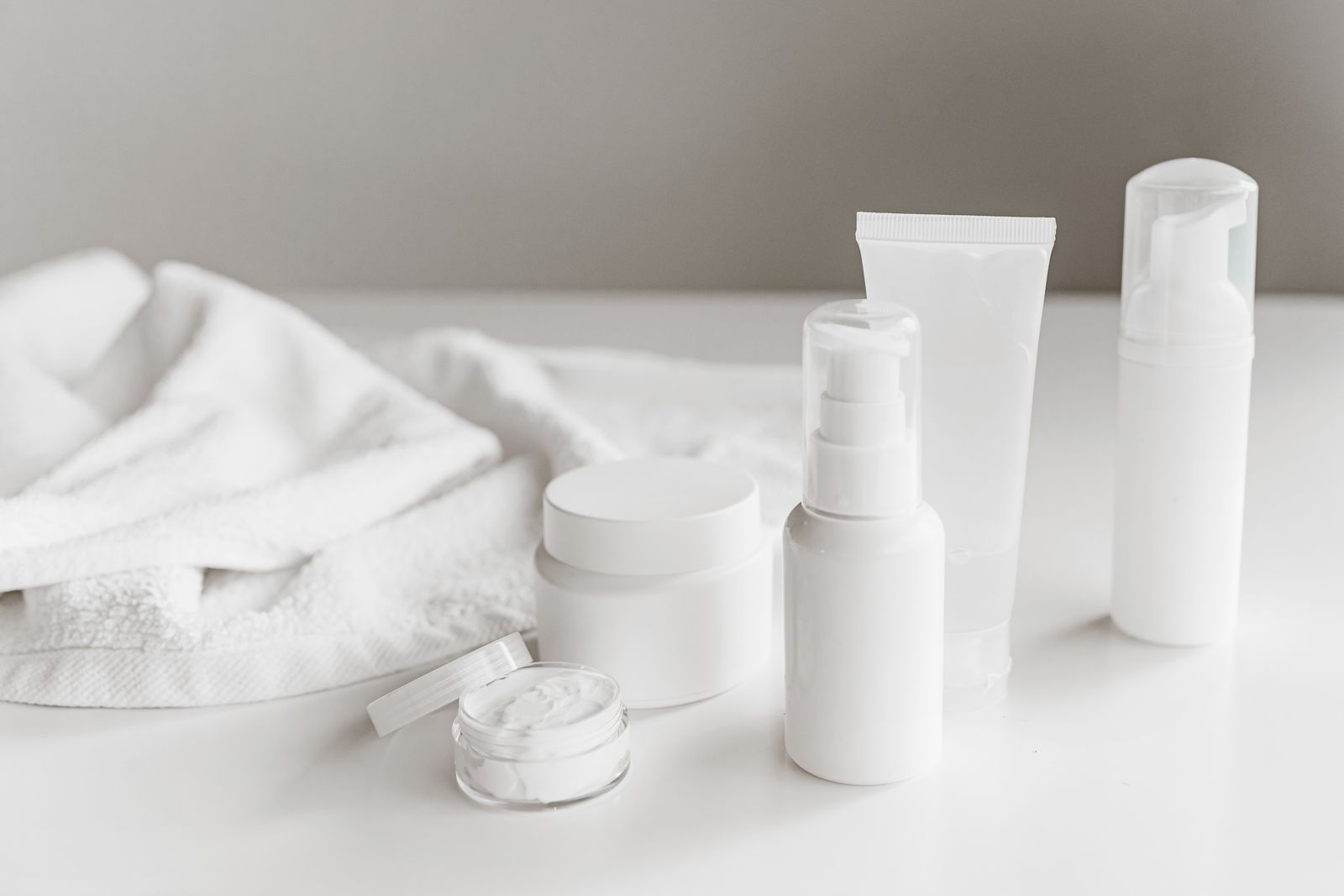
Almost everyone has, at some point, imagined launching their own product — a skincare range, a supplement, a signature fragrance, a wellness drink. The idea is usually vivid. What tends to be missing is the map: the actual path that takes a concept from a note on a phone to a finished product on a shelf, in a box, with a barcode and a compliant label.
Drawing on more than 25 years on the manufacturing side of health, wellness, and beauty — across product development, formulation, manufacturing, branding, and commercialization — this article sets out that path. Brilliant ideas often stall for want of a few practical decisions, while modest ideas become real businesses because their founders understood the process early.
First, understand what OEM and ODM actually mean
These two acronyms cause more confusion than any others in this industry, and choosing the wrong path costs founders time and money. Here is the honest, plain-language version.
| Model | What it means | Best for |
|---|---|---|
| OEM (Original Equipment Manufacturer) | You bring the formula or a clear specification; the manufacturer produces it under your brand. | Founders who already have a formulation, a chemist, or a very specific product in mind. |
| ODM (Original Design Manufacturer) | The manufacturer already has developed formulations and designs; you select, tweak, and brand them as your own. | First-time founders who want to reach market faster with lower R&D risk. |
Most new brands begin with ODM because it removes the two scariest unknowns — formulation and regulatory groundwork — and then move toward OEM for signature products as they grow. There is no "better" option; there is only the one that fits your budget, timeline, and how differentiated you need the product to be.
The real journey from idea to shelf
Below is the sequence almost every new brand follows. Skipping a step rarely saves time — it usually moves the delay somewhere more expensive.
1. Define the product and, more importantly, the customer
Before a single sample is made, get specific about who this is for. "A face serum" is not a brief. "A lightweight vitamin C serum for humid climates, aimed at women 25–40 who want brightening without stickiness" is a brief. The clearer your customer, the faster every later decision becomes — texture, claims, packaging, price, and channel all flow from it.
2. Formulation and R&D
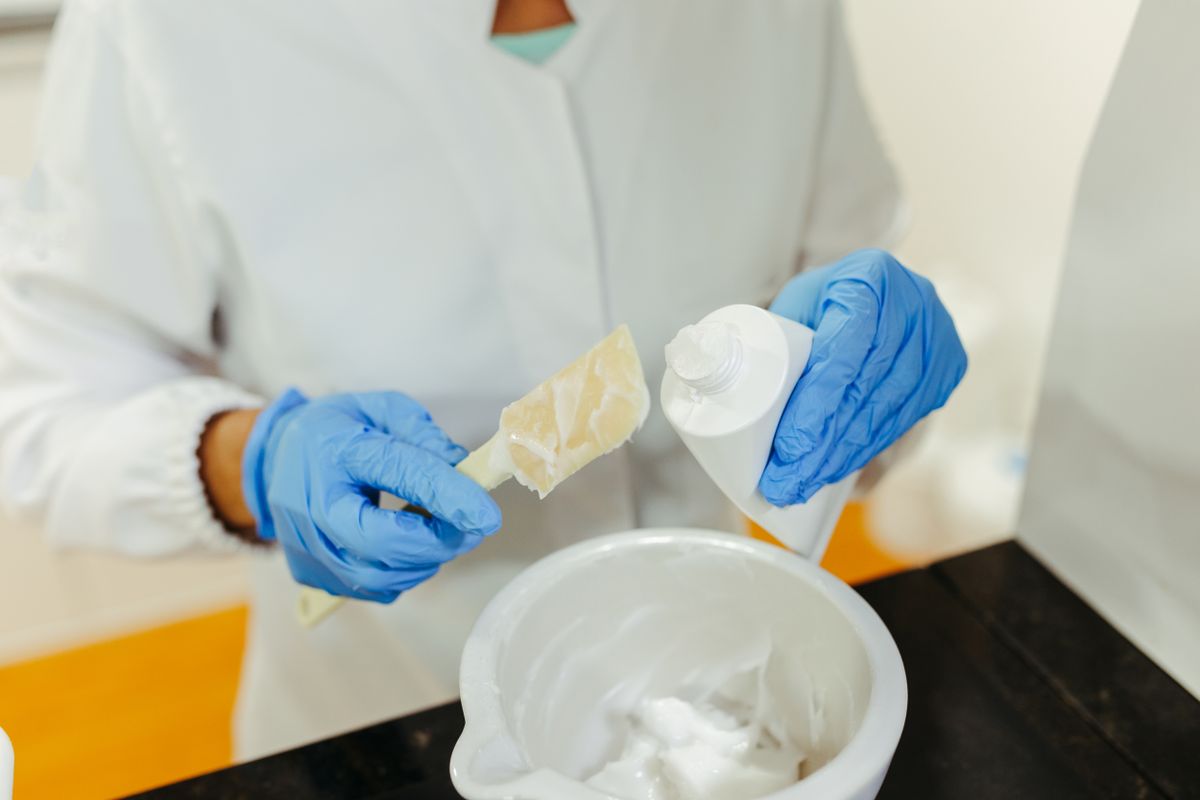
This is where the product becomes real. In an ODM path you'll sample existing base formulations and adjust the scent, texture, active levels, or color. In an OEM path your formula is produced and stability-tested. Either way, insist on samples you can actually use for weeks, not a one-minute smell test in a meeting room. Good manufacturers expect several rounds of refinement — that iteration is a feature, not a delay.
3. Regulatory and compliance — do not treat this as paperwork
This is the step founders most often underestimate. Every market has rules for what you can sell and what you can claim. In Malaysia, cosmetics must be notified to the NPRA and supplements fall under their own registration pathways; other countries have their own equivalents. Getting this right protects you from product recalls, blocked shipments, and legal exposure. A capable manufacturer handles much of this for you — but you should understand it, because the claims you're allowed to make shape your entire marketing.
4. Packaging and design
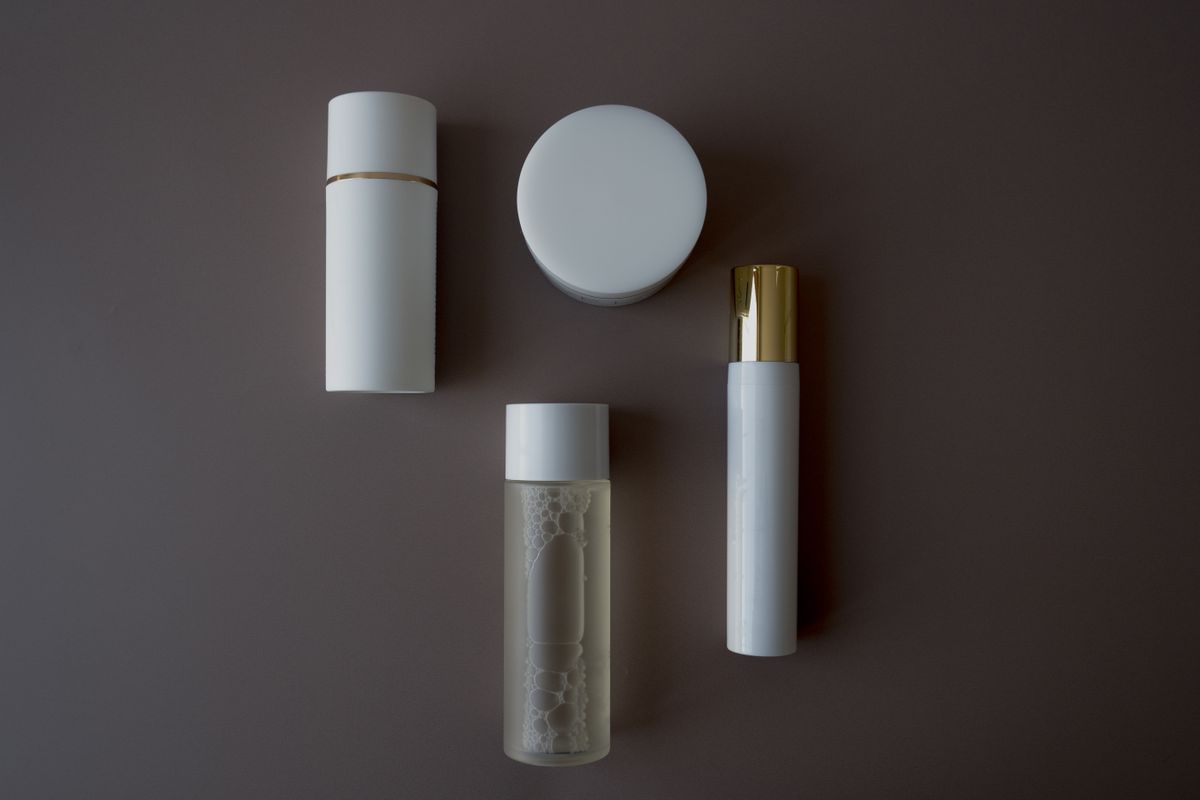
Packaging does two jobs at once: it protects the product and it sells it. A beautiful serum in the wrong bottle can oxidize; a great formula with a confusing label never gets picked up. Decide early whether you need stock packaging (fast, affordable) or custom (distinctive, higher minimums and lead times). Remember that your label must carry compliant information — ingredients, net content, batch, expiry, and any mandatory warnings — so design and regulatory need to talk to each other.
5. Manufacturing, MOQ, and cost
Here you'll meet the term MOQ — minimum order quantity. It exists because setting up a production run has fixed costs, so manufacturers need a minimum volume to make it viable. Your job is to balance MOQ against realistic first-year sales, so you don't tie up cash in inventory you can't move. Ask for a clear breakdown: unit cost, packaging, testing, and any one-off setup fees. A transparent quotation is one of the best signals of a trustworthy partner.
6. Branding — beyond the logo
A logo is not a brand. Your brand is the promise customers believe you'll keep: why you exist, who you serve, and what makes you different. In categories as crowded as beauty and wellness, a clear brand story is often the difference between a product that sells and an identical one that doesn't. Invest in positioning and messaging with the same seriousness you invest in the formula.
7. Launch, learn, and scale
Your first production run is not the finish line — it's your first real experiment. Watch how customers actually use the product, read the reviews closely, and feed that back into your next batch. The brands that endure treat launch as the start of a conversation, not the end of a project.
Common mistakes founders make
- Falling in love with the product before the customer. A product without a defined buyer is a hobby, not a business.
- Under-budgeting for everything after production — packaging, compliance, photography, and marketing routinely cost as much as the product itself.
- Chasing the lowest unit price at the expense of quality, consistency, or a manufacturer who will actually pick up the phone when something goes wrong.
- Treating regulatory as an afterthought and discovering too late that a key claim isn't allowed.
- Ordering too much, too soon. Start lean, prove demand, then scale — inventory you can't sell is the quietest way to run out of cash.
How to choose a manufacturing partner
The manufacturer a founder chooses shapes product quality, timelines, and peace of mind for years. Five factors are worth weighing:
- Range and depth — can they handle your category properly, and grow with you into others?
- R&D capability — do they actually develop formulations, or only fill bottles?
- Regulatory support — will they help you navigate notification and compliance?
- Transparency — clear quotations, honest MOQs, realistic timelines.
- Partnership mindset — do they treat your brand as their responsibility too?
A genuine one-stop partner that covers formulation, packaging, design, and compliance under one roof removes a great deal of coordination risk. Whichever partner a founder chooses, the more useful test is how well they help avoid the mistakes above — not who quotes the lowest number.
Frequently asked questions
What's the difference between OEM and ODM?
With OEM you supply the formula and the manufacturer produces it under your brand. With ODM the manufacturer already has formulations you can select, adjust, and brand as your own — a faster, lower-risk route for first-time founders.
How much money do I need to start a beauty or supplement brand?
It varies widely by category and volume, but the honest answer is to budget for far more than just production. Formulation, packaging, regulatory notification, testing, photography, and marketing together often exceed the manufacturing cost. Start with a lean first run and reinvest as you prove demand.
What is MOQ and why does it matter?
MOQ is the minimum order quantity a manufacturer will produce in one run. It exists because production has fixed setup costs. It matters because it determines how much inventory — and cash — you commit up front, so match it to realistic sales rather than optimism.
Do I need to handle regulatory approval myself?
Not usually. A capable manufacturer will guide much of the compliance and notification process. But you should still understand the rules for your market, because they define which product claims you're legally allowed to make.
How long does it take to bring a product to market?
For an ODM product with stock packaging, a few months is realistic. Custom formulations, custom packaging, and regulatory notification extend that. Building in time for proper sampling and compliance early almost always saves time overall.
The takeaway
Turning an idea into a brand is not magic and it's not luck — it's a sequence of clear decisions made in the right order, with the right partner beside you. Define your customer, respect the formulation and regulatory work, budget honestly, and choose a manufacturer who treats your brand as their own. Do those things, and the distance from idea to shelf gets a great deal shorter.
Disclosure: Creaton Poh is the pen name of Poh Tze Kheng, founder of the ORIZI Group, a Malaysian OEM/ODM manufacturer. This article is educational and independent, and is not promotional.
Written by Creaton Poh
Industry Researcher • Author • Vlogger • Manufacturing Strategist
Turning ideas into products. Turning experience into knowledge.
Connect with Poh Tze Kheng on LinkedIn.


Comments
Post a Comment