Starting Your Own Supplement Brand: A Founder's Roadmap

Supplements are one of the most attractive categories to build a brand in — the market is large, demand is durable, and a well-made product can earn loyal, repeat customers. That is exactly why it is also crowded, and why so many hopeful supplement brands quietly disappear within a year.
Across more than 25 years in health, wellness, and beauty, one lesson stands out: the difference is rarely the pill itself. It is whether the founder understood the path from idea to a compliant, shelf-ready product before they started. Here is that roadmap.
Why supplements are attractive — and where founders trip
The appeal is obvious: consumables get reordered, margins can be healthy, and a focused product can stand out. The traps are just as real — supplements are heavily regulated, claims are tightly restricted, and quality failures are both a safety risk and a brand killer. Respect those realities and the category rewards you.
The roadmap
1. Choose a focused niche and product form
"A supplement" is not a plan. Decide exactly who you serve and what problem you solve — sleep, joint health, immunity, beauty-from-within, sports recovery. Then choose the form that fits them: capsules, tablets, softgels, gummies, powders, or liquids. The narrower and clearer your focus, the easier every later decision becomes.
2. Decide between a stock formula and a custom one
With an ODM route, you can start from proven, ready-made formulations and adjust them — the fastest, lowest-risk path for a first product. With a fully custom formula you gain differentiation but take on more R&D, cost, and time. Many founders launch on a refined stock base and develop signature custom products once they have traction.
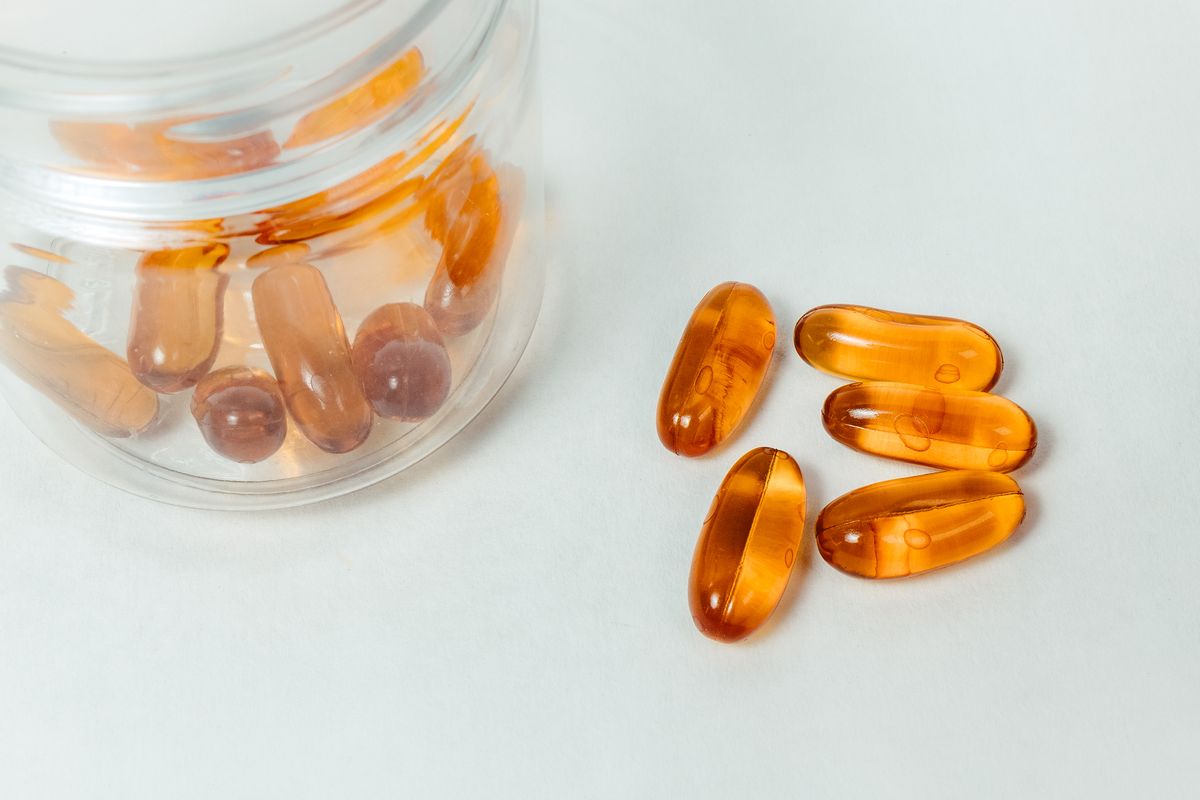
3. Get formulation and ingredient sourcing right
This is the heart of the product. Pay attention to ingredient quality, dosages that are actually effective (not just label decoration), bioavailability, and reputable raw-material sources. A good manufacturing partner will guide dosing and sourcing — and be transparent about where ingredients come from.
4. Treat regulatory and claims as central, not paperwork
This is where supplement founders most often stumble. Every market regulates what a supplement may contain and what you may claim. In Malaysia, health supplements fall under the NPRA's registration pathways; other countries have their own equivalents. You generally cannot claim to treat, cure, or prevent disease. Understand these rules early — they shape your entire product and marketing.

5. Packaging and label compliance
Your label must carry the right information — ingredients, dosage, directions, warnings, and any mandatory registration details — while still looking like a brand people want to buy. Design and compliance have to work together from the start, not fight each other at the end.
6. Plan MOQ, cost, and pricing realistically
Understand the minimum order quantity, the full landed cost per unit (product, capsule, bottle, label, testing), and price for a margin that survives marketing and retail cuts. Start lean enough that unsold inventory won't sink you, and scale as demand proves itself.
7. Build the brand and choose your channel
Decide where you'll sell — direct-to-consumer, marketplaces, pharmacy, or practitioner channels — because it shapes packaging, pricing, and positioning. Then build a brand story that earns trust, which matters more in supplements than almost anywhere else.
Common mistakes
- Chasing a trendy ingredient with no clear customer behind it.
- Under-dosing actives to hit a price point, producing a product that doesn't work.
- Treating regulatory as an afterthought and discovering a claim isn't allowed.
- Ordering far more inventory than early demand justifies.
- Competing on price instead of trust and quality.
Frequently asked questions
Do I need my own formula to start a supplement brand?
No. Many founders launch using a manufacturer's proven stock formulation, adjusted and branded as their own, then develop custom products once they have traction. It's faster and lower risk.
How are supplements regulated?
Heavily, and it varies by market. In Malaysia, health supplements go through the NPRA's registration process; other countries have equivalents. You generally cannot make disease treatment or cure claims. A good manufacturer helps you navigate this.
What form should my supplement take?
Match the form to your customer and ingredient. Capsules and tablets are versatile and cost-effective; softgels suit oils; gummies appeal to some consumers; powders suit larger doses like protein. Your manufacturer can advise on what fits.
How much inventory should my first order be?
Enough to meet realistic early demand without tying up cash in stock you can't sell. Balance the manufacturer's MOQ against honest first-year sales estimates, and reorder as you grow.
The takeaway
A successful supplement brand is built on a focused niche, an effective and compliant formula, honest quality, and a trustworthy brand — not on a clever label alone. Respect the regulatory reality, start lean, and choose a manufacturing partner who treats safety and transparency as seriously as you do.
Disclosure: Creaton Poh is the pen name of Poh Tze Kheng, founder of the ORIZI Group, a Malaysian OEM/ODM manufacturer. This article is educational and independent, and is not promotional.
Written by Creaton Poh
Industry Researcher • Author • Vlogger • Manufacturing Strategist
Turning ideas into products. Turning experience into knowledge.
Connect with Poh Tze Kheng on LinkedIn.


Comments
Post a Comment