Purified Water in Cosmetic and Supplement Manufacturing: How Factories Control Their Most-Used Ingredient
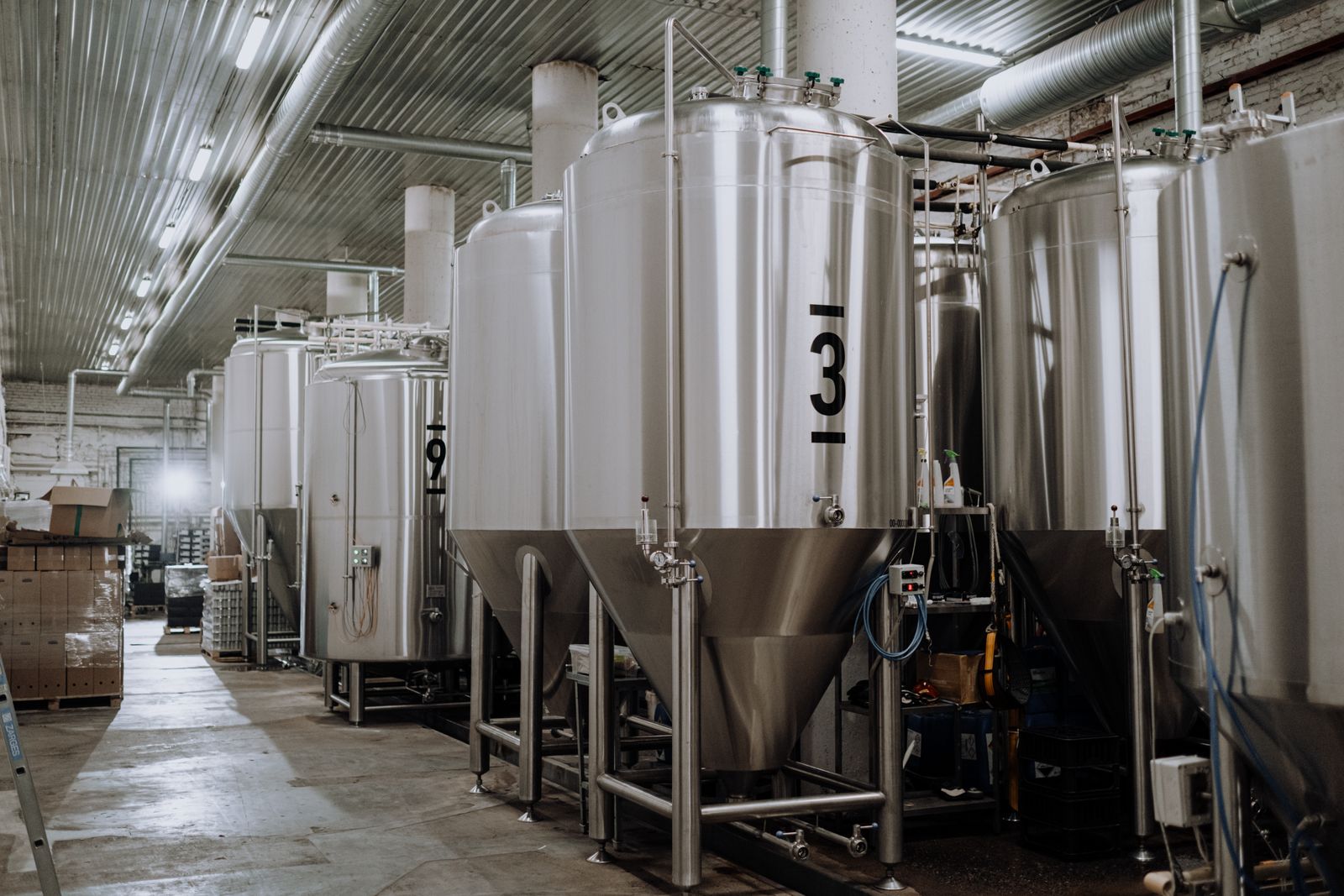
Read the ingredient list on almost any lotion, shampoo, toner or body wash and the first word is usually the same: aqua, or water. It is listed first because it is present in the largest amount. Yet when brand owners compare manufacturers, they ask about actives, fragrance, packaging and certificates — and very rarely about the ingredient that makes up most of what is inside the bottle.
Quick answer: Cosmetic and many supplement manufacturers do not use tap water in products. They run their own water system that turns municipal water into purified water — typically through filtration, activated carbon, softening and reverse osmosis, sometimes followed by electrodeionisation and UV — and then store and circulate it in a way that stops microbes from regrowing. Because purified water has had its protective chlorine removed, it is more vulnerable to contamination than tap water, so the system needs continuous monitoring (conductivity and microbial counts) and scheduled sanitisation. For brand owners, the practical point is simple: water quality is a manufacturing control worth asking about, not an assumption.
Key takeaways
- In water-based products such as emulsions, gels, shampoos and toners, water is usually the largest single ingredient by weight.
- Factories convert drinking-quality feed water into purified water through a treatment train; each stage removes something different.
- Removing chlorine makes water purer but also removes its built-in protection — which is why storage and distribution design matter as much as the purification step.
- The biggest risk is usually not the treatment unit but stagnant pipework, where microbes form biofilm.
- A well-run system has written specifications, routine testing at points of use, alert and action limits, and a sanitisation schedule.
Who this is for: brand owners, product developers and first-time founders working with an OEM or ODM manufacturer on water-based skincare, personal care, cosmetic, functional drink or liquid supplement products, and anyone preparing to visit or audit a factory.
Why does water quality matter so much in cosmetics and supplements?
Water quality matters because water is both the main ingredient of many products and the main route by which microbes and dissolved contaminants can enter them. A cream that is 70% water is, in practical terms, mostly whatever came out of the factory’s water system on the day it was made.
Three kinds of problem can come from poor water. The first is microbial: bacteria in the water can overload a preservative system, leading to spoilage, odour, separation or, in the worst cases, a safety issue. This is why water quality and preservative efficacy and challenge testing are two halves of the same question. The second is chemical: dissolved minerals such as calcium and magnesium can react with surfactants, thickeners and chelating agents, changing viscosity, clarity or foam. The third is consistency: if water quality drifts between batches, products drift too, which shows up as batch-to-batch variation that is hard to trace.
What types of water are used in manufacturing?
Manufacturing water is graded by how much has been removed from it, and each grade suits a different job. The table below summarises the grades most relevant to cosmetics and supplements.
| Water grade | How it is produced | Typical use | Main limitation |
|---|---|---|---|
| Potable (mains) water | Supplied by the municipal utility, chlorinated | Feed water for treatment; general washing; utilities | Contains chlorine, minerals and variable impurities — not suitable as a product ingredient |
| Softened water | Ion-exchange removes hardness minerals | Boiler feed, pre-treatment before RO, some cleaning | Still contains other dissolved salts and microbes |
| Purified water | Reverse osmosis, often with electrodeionisation or ion exchange, plus microbial control | Product ingredient in cosmetics, liquids and gummies; final rinse of equipment | No residual disinfectant — quality depends on storage and circulation design |
| Water for injection (WFI) | Distillation or equivalent validated process, tight endotoxin control | Sterile pharmaceuticals and parenterals | Generally beyond what cosmetics or oral supplements require |
The World Health Organization’s guidance on good manufacturing practices for water for pharmaceutical use (WHO Technical Report Series 1033, Annex 3) sets out these grades and the principles for producing, storing and distributing them. Cosmetics are not pharmaceuticals, but many cosmetic and supplement factories borrow this framework because it is the most detailed public reference on the subject.
How does a factory turn tap water into purified water?
A factory turns tap water into purified water through a sequence of treatment steps, each designed to remove a specific type of impurity so that the next step can work properly. The exact design varies with the local feed water, but most systems follow a similar pattern.
| Stage | What it removes | Common weak point |
|---|---|---|
| Multimedia / sand filter | Suspended particles and sediment | Infrequent backwashing lets debris build up |
| Activated carbon filter | Chlorine, chloramine and organic compounds | Once chlorine is gone, the carbon bed itself can grow bacteria |
| Water softener | Calcium and magnesium (hardness) | Missed regeneration causes scaling downstream |
| Reverse osmosis (RO) | Most dissolved salts, many organics and microbes | Membrane fouling or damage reduces performance gradually |
| Electrodeionisation (EDI) or mixed-bed resin | Remaining ions, to lower conductivity further | Resin exhaustion if not monitored |
| UV lamp and final filtration | Reduces viable microbes before use | Lamps lose intensity with age; filters are not a cure for a contaminated loop |
The carbon filter illustrates the central trade-off. Mains water is chlorinated precisely so it stays safe on its way through the city’s pipes. Chlorine must be removed before RO, because it damages membranes, and before the product, because it reacts with ingredients. But the moment chlorine is removed, the water has no protection against microbial growth. From that point on, protection has to come from system design, temperature, circulation and sanitisation.
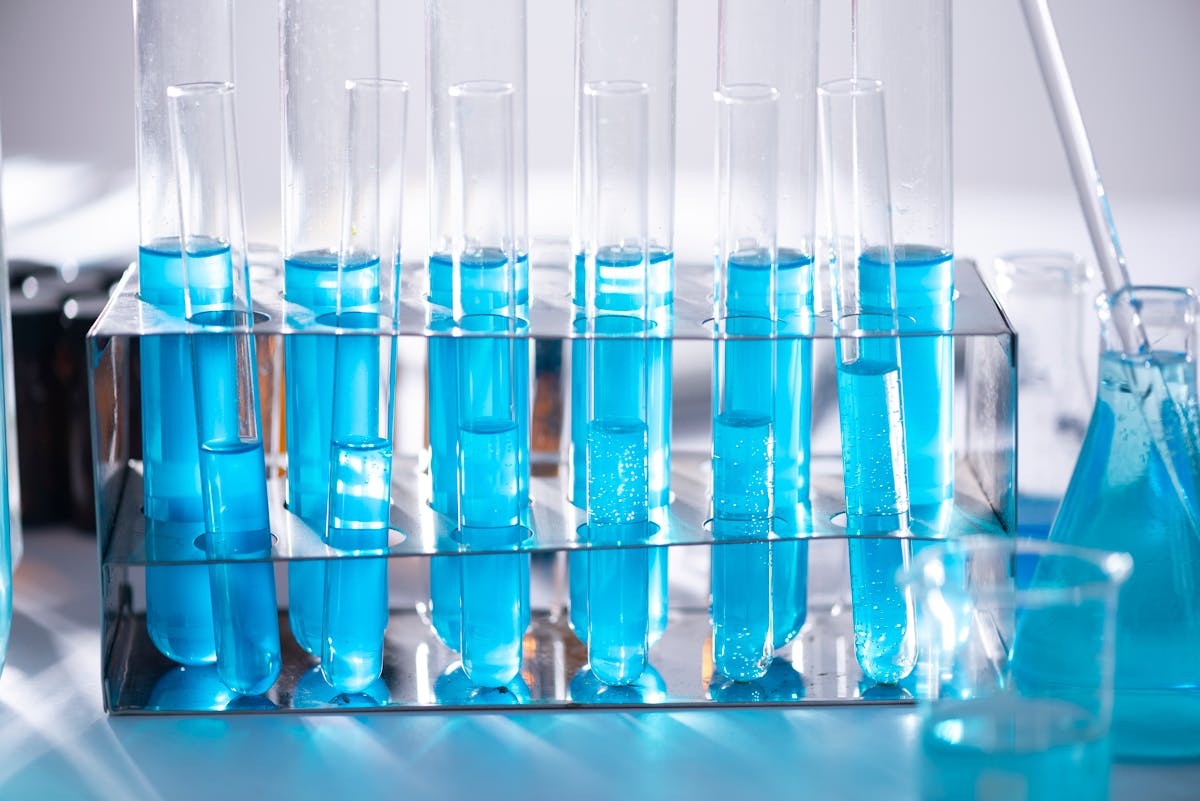
Why is storage and distribution the real risk?
Storage and distribution are the real risk because purified water left standing in a tank or pipe gives bacteria time to attach to surfaces and form biofilm — a protective layer that sheds microbes into the water and resists casual cleaning. A system can produce excellent water at the RO outlet and still deliver poor water at the mixing vessel.
The U.S. Food and Drug Administration’s inspection guide to high purity water systems, although written for the pharmaceutical sector, remains one of the clearest public explanations of these failure modes. It highlights stagnant water, “dead legs” (branches of pipe where water does not flow) and poorly designed storage as recurring sources of contamination.
Well-designed systems share a few features:
- Continuous recirculation. Water moves around a loop from the storage tank to each point of use and back, rather than sitting in branch lines.
- Minimal dead legs. Valves are placed close to the loop so there are few pockets of still water.
- Sanitary materials. Smooth stainless steel or suitable polymer pipework that drains fully and can be sanitised.
- Protected storage. Tanks fitted with vent filters so that air entering as the level falls does not carry contamination with it.
- Scheduled sanitisation. Periodic hot-water, ozone or chemical sanitisation of the loop, on a frequency justified by monitoring data.
Equipment design of this kind is part of what a manufacturer’s machinery and process set-up should be able to explain in plain terms, because it determines water quality far more than the brand of RO unit installed.
How is water quality monitored and controlled?
Water quality is controlled by testing it against written specifications at defined points and frequencies, and acting when results move towards their limits. Monitoring usually combines continuous instruments with laboratory tests.
- Conductivity is measured continuously, often online, as an indicator of dissolved ions. A rising reading is an early sign that RO or EDI performance is slipping.
- Microbial counts are taken from sampling points around the loop, especially the points where water is drawn into production. Results are compared against an alert level (early warning) and an action level (investigate and correct). Pharmacopoeial guidance for purified water commonly uses an action level of 100 colony-forming units per millilitre; individual factories may set tighter internal limits.
- Other parameters such as pH, total organic carbon or specific pathogens may be tested depending on the product type and the factory’s quality system.
- Trending matters more than any single result. A count creeping upward over several weeks says more about the health of the system than one pass or fail.
For cosmetics, the international GMP standard ISO 22716 treats water as a utility that must be of suitable quality and whose treatment system must be maintained and sanitised under documented procedures. In Malaysia, the National Pharmaceutical Regulatory Agency’s Guidelines for Control of Cosmetic Products in Malaysia require products to be manufactured under good manufacturing practice, which brings water systems within scope. Water is covered as one part of the wider framework explained in GMP explained.
Does water matter in supplement manufacturing too?
Water matters in supplements, but its role depends heavily on the dosage form. Dry tablets and capsules contain little or no water in the finished product, while liquids, syrups, drinks, jellies and gummies may contain a great deal.
Even in dry products, water appears in the process. It is used in wet granulation, in film coating solutions and, above all, in equipment cleaning. The final rinse of a mixer or tablet press should use water of the same quality as the product would need, otherwise the cleaning step can reintroduce what it was meant to remove — a point closely linked to cleaning validation between product lines.
What should brand owners ask a manufacturer about water?
Brand owners should ask a small number of specific questions that reveal whether water is actively managed or simply assumed. These work well during a factory visit or audit:
- What grade of water goes into the product, and what treatment steps produce it?
- Is the purified water stored and recirculated in a loop, or held in a tank and drawn off?
- Where are the sampling points, how often are they tested, and what are the alert and action limits?
- What did the last few months of microbial and conductivity results look like?
- How often is the system sanitised, and by what method?
- What happens to product made with water that later fails a test?
- Is purified water used for the final rinse of product-contact equipment?
Good answers are specific and backed by records. A manufacturer that can show a trend chart and a sanitisation log is in a different position from one that says “the water is filtered.” Neither answer guarantees a perfect product, but the first shows that water is treated as an ingredient with its own specification. It also connects to the paperwork a brand receives later: water quality is one of the upstream controls behind a clean certificate of analysis.
Frequently asked questions
Is distilled water better than RO water for cosmetics?
Not necessarily. Both can produce water of suitable chemical purity; what matters more is how the water is stored and distributed after it is made. Distillation uses more energy and is mainly chosen where very tight endotoxin control is needed. For most cosmetics, a well-maintained RO-based system with proper microbial control is the common approach.
Can a small brand check water quality itself?
A brand cannot test the factory’s loop directly, but it can ask to see the water specification, recent test results and sanitisation records, and include water-related questions in a supplier questionnaire or audit. If microbial problems appear in finished goods, water records are one of the first things an investigation should examine.
Does a preservative make water quality less important?
No. A preservative system is designed to protect the product against contamination introduced during consumer use, not to rescue a heavily contaminated batch. Starting with water of low microbial load gives the preservative a realistic job; starting with poor water can overwhelm it.
What is biofilm, and why is it hard to remove?
Biofilm is a layer of microorganisms that attach to internal pipe and tank surfaces and surround themselves with a protective matrix. It resists ordinary flushing and can release bacteria intermittently, which produces unpredictable test results. Prevention through recirculation, sanitary design and regular sanitisation is far easier than removal.
Does “aqua” on the label tell me what grade of water was used?
No. “Aqua” is the standard ingredient name for water on cosmetic labels, regardless of how it was purified. The grade and quality of the water are recorded in the manufacturer’s specifications and batch documentation, not on the pack.
Limitations
This article explains general principles. Water system design, specifications and test limits differ by country, product type, feed-water quality and each manufacturer’s quality system. Figures such as microbial action levels are drawn from widely used pharmacopoeial guidance and may not apply to every product. Brand owners should confirm requirements with their manufacturer and the relevant regulator.
Sources
- World Health Organization, TRS 1033, Annex 3: Good manufacturing practices — water for pharmaceutical use
- U.S. Food and Drug Administration, Inspection Guide: High Purity Water System (7/93)
- International Organization for Standardization, ISO 22716:2007 Cosmetics — Good Manufacturing Practices (GMP)
- National Pharmaceutical Regulatory Agency, Malaysia, Guidelines for Control of Cosmetic Products in Malaysia
Related reading on this blog: why a formula that works in the lab can fail in the factory and batch numbers and traceability.
Creaton Poh is the pen name of Poh Tze Kheng, founder of ORIZI Group — one of Malaysia's most comprehensive one-stop OEM, ODM, private label and contract manufacturing groups, spanning skincare, cosmetics, personal care, perfume and fragrance, supplements, functional food and nutrition, pet care, home care and medical devices. Across six specialised companies and three manufacturing divisions, the Group brings together 20+ years of industry experience, 5,000+ formulations, and internationally recognised quality, manufacturing and regulatory standards. These articles are written to educate, not to promote.
Written by Creaton Poh
Industry Researcher • Author • Vlogger • Manufacturing Strategist
Turning ideas into products. Turning experience into knowledge.
Connect with Poh Tze Kheng on LinkedIn.


Comments
Post a Comment