Branding for Health & Wellness: Building Trust That Actually Sells

In health, wellness, and beauty, you are not really selling a cream, a capsule, or a fragrance. You are selling a promise about how someone will feel, look, or live — and asking them to put your product on their skin or in their body. That is an act of trust. Branding is simply how you earn it.
Across more than 25 years in this industry, a striking pattern recurs: two near-identical products can sell wildly differently, purely because one has a brand people believe in and the other has only a nice logo. A logo is not a brand. Here is what actually builds one.
Why branding matters more in health and wellness
In categories where customers are trusting you with their wellbeing, credibility isn't optional — it's the whole game. People buy supplements and skincare on faith long before they see results. A clear, trustworthy brand shortens that leap of faith, justifies a fair price, and turns one-time buyers into loyal repeat customers. In crowded shelves, brand is often the deciding factor between a product that sells and an identical one that doesn't.
The building blocks of a brand that lasts
1. Start with positioning: who, and why you
Before colours or names, answer three questions: who exactly is this for, what problem do you solve, and why should they choose you over everyone else? Vague answers produce a forgettable brand. The sharper your positioning, the easier every other decision — from packaging to pricing to messaging — becomes.
2. Make a brand promise you can actually keep
Your brand is the promise customers believe you'll keep. Under-deliver and no amount of marketing saves you; over-deliver and customers become advocates. Decide what you stand for — clean ingredients, real efficacy, sustainability, honest value — and then keep that promise in the product itself, every time.
3. Build a visual identity that fits the promise
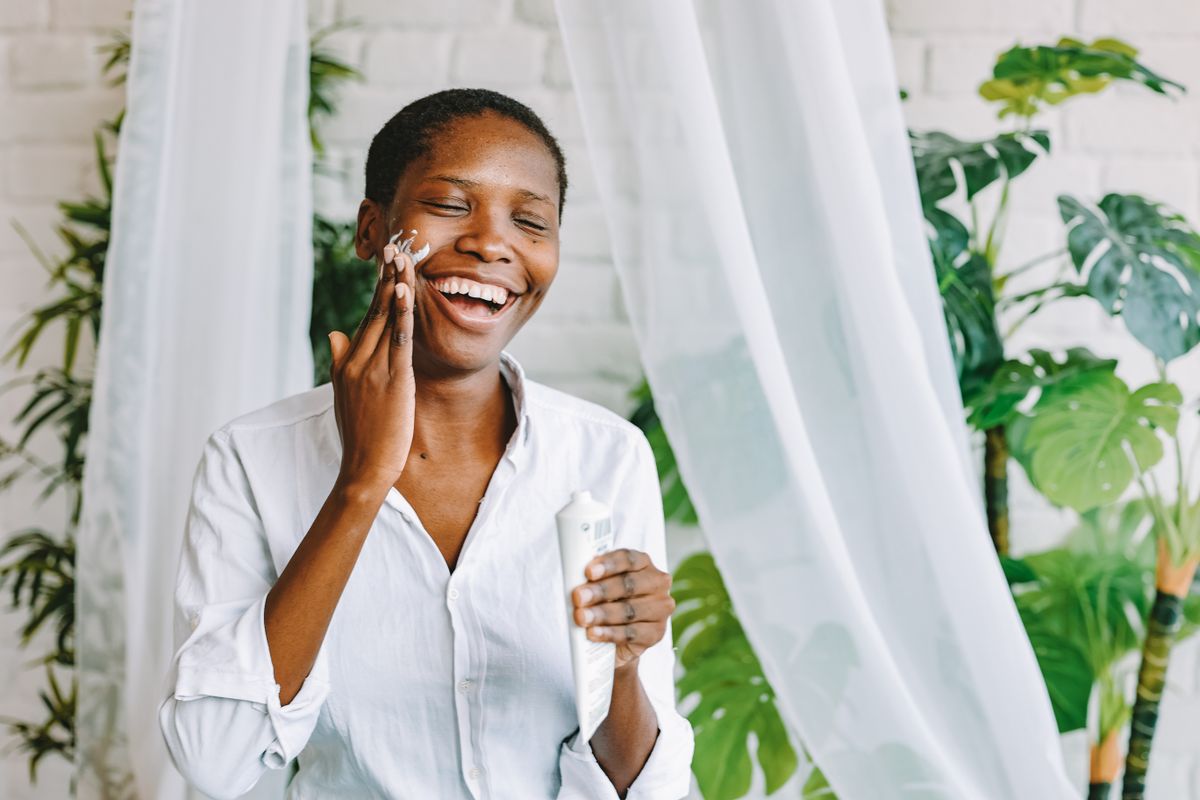
Your name, logo, colours, packaging, and typography should all reflect the promise. A premium serum and a value-friendly daily moisturiser call for different visual languages. Consistency and fit matter more than cleverness — customers should understand what you stand for at a glance.
4. Earn trust with proof and transparency
In wellness, trust is built with evidence, not adjectives. Be transparent about ingredients and sourcing, show real results and honest reviews, and make your compliance and safety visible rather than hidden. Claims you can back up beat bold claims you can't — and they keep you on the right side of the regulators, too.
5. Be consistent across every touchpoint
A brand is the sum of every interaction — the packaging, the website, the unboxing, the customer service reply, the social post. When these all tell the same story in the same voice, trust compounds. When they contradict each other, it leaks away. Consistency is unglamorous and enormously powerful.
6. Tell a story, in a human voice
People connect with people, not corporations. A genuine founder story — why you started, what you believe, who you serve — gives customers a reason to care and to choose you. In health and wellness, an authentic voice is one of the most durable competitive advantages you can build.
Branding mistakes to avoid
- Treating branding as just a logo and a colour palette.
- Positioning so broadly that the brand means nothing to anyone.
- Making bold claims the product can't back up — eroding trust and inviting regulatory trouble.
- Inconsistency across packaging, website, and communication.
- Copying a competitor instead of standing for something of your own.
Frequently asked questions
Isn't a brand just a logo and packaging?
No. A logo and packaging are expressions of a brand, but the brand itself is the promise customers believe you'll keep and the trust you earn by keeping it. Visual identity supports that promise; it doesn't replace it.
Why is branding especially important for health and beauty products?
Because customers trust these products with their wellbeing and often buy on faith before seeing results. A credible brand shortens that leap of faith, justifies price, and drives loyalty and repeat purchases.
How do I build trust for a new wellness brand?
With transparency and proof: be open about ingredients and sourcing, show real results and honest reviews, make safety and compliance visible, and only make claims you can support. Consistency across every touchpoint reinforces it.
What is brand positioning?
Positioning is the clear answer to who your product is for, what problem it solves, and why customers should choose you over alternatives. It's the foundation every other branding decision builds on.
The takeaway
In health and wellness, trust is the product and branding is how you build it. Start with sharp positioning, make a promise you keep, back it with transparency and proof, stay consistent, and speak in a human voice. Do that, and your brand becomes the reason customers choose you — and keep choosing you.
Disclosure: Creaton Poh is the pen name of Poh Tze Kheng, founder of the ORIZI Group, a Malaysian OEM/ODM manufacturer. This article is educational and independent, and is not promotional.
Written by Creaton Poh
Industry Researcher • Author • Vlogger • Manufacturing Strategist
Turning ideas into products. Turning experience into knowledge.
Connect with Poh Tze Kheng on LinkedIn.


Comments
Post a Comment